How to Find and Purify Water in the Wild
===INTRO:===
Embarking on a wilderness adventure can be one of the most exciting experiences, but staying properly hydrated is essential for enjoying every moment. Finding and purifying water in the wild might seem daunting at first, but with a little knowledge and a positive attitude, you can turn this challenge into an enjoyable part of your journey. Whether you’re trekking through dense forests or crossing rugged mountains, knowing where to look and how to make water safe to drink will keep you energized and safe. So, grab your backpack and let’s dive into the refreshing world of wild water!
Thirst-Quenching Trails: Discovering Water Sources in the Wilderness
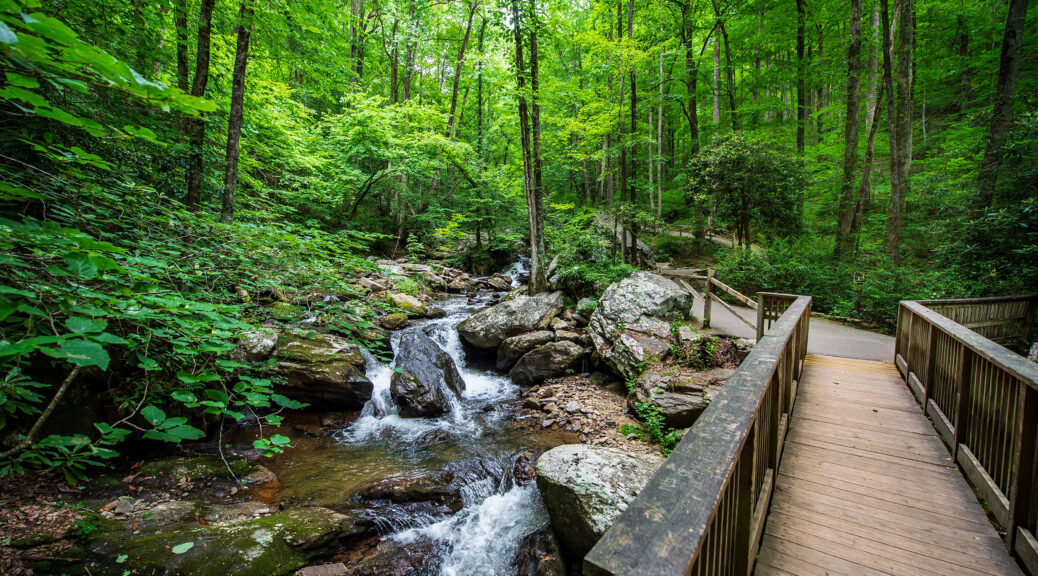
Venturing off the beaten path often leads to hidden water sources that can quench your thirst. Look for natural signs like lush green vegetation, especially near valleys, stream beds, or rocky outcrops—these are usually reliable indicators of water nearby. Keep an eye out for flowing streams or small waterfalls, as moving water is typically cleaner than stagnant pools. In dry environments, check low-lying areas or depressions where rainwater might gather, but be cautious—standing water can harbor bacteria or parasites.
Another clever trick is to observe animal activity; tracks and trails often lead to water sources, revealing spots that animals depend on for hydration. During droughts or in arid regions, water might be difficult to find, so be patient and thorough. Sometimes, digging a shallow hole in a moist area can yield clean water, especially after rainfall. Remember, natural sources aren’t always perfect, so always be prepared to purify whatever water you collect, no matter how promising the spot looks.
In colder climates or high altitudes, snow and ice are valuable water sources—just remember they must be melted before drinking. Always look for clear, odorless water and avoid muddy, discolored, or foul-smelling pools, as these are often contaminated. With a keen eye and a little detective work, you’ll be surprised at how many hidden water treasures the wilderness offers. Happy exploring—and hydrating!
Pure and Simple: Easy Ways to Purify Wild Water and Stay Safe
Once you’ve found a water source, making it safe to drink is the next crucial step. Boiling is by far the most reliable method—bring the water to a rolling boil for at least one minute (or three minutes at higher altitudes), killing most bacteria, viruses, and parasites. If you don’t have a cooking stove, a portable boiling container or a sturdy pot works perfectly. Remember, boiling doesn’t remove chemical contaminants, so if you suspect pollution, consider additional purification methods.
Filtration is another excellent approach, especially with portable water filters designed for outdoor adventures. These devices typically use a replaceable cartridge to remove bacteria, protozoa, and sediments, providing clean, safe water quickly. For added protection, you can combine filtration with chemical treatments or UV purification, which deactivate viruses and bacteria. Water purifying tablets or drops—like iodine or chlorine dioxide—are lightweight and easy to carry, making them ideal for rapid sanitation during your trek.
For a natural, chemical-free method, UV sterilizers powered by a small battery or solar energy are increasingly popular. Simply expose the water to the UV light for the recommended time, and you’ll have safe drinking water in minutes. Whichever method you choose, always prioritize safety and double-check your water’s clarity before purification. Staying vigilant with your water treatment ensures your wilderness adventure remains fun and injury-free—cheers to safe sipping in the wild!